
Luxury used to be defined by exclusivity and status. People bought jewelry to show achievement. Today’s consumer expects more. Jewelry should reflect personal values, not social rank. It represents inner alignment instead of outward bragging.
The modern idea of luxury is evolving into conscious consumption. Buyers want beauty, but they want ethics and meaning just as much. They care where a diamond came from, who handled it, and what impact their purchase created. Luxury is shifting from owning more to choosing with intention.
“A piece feels luxurious when it represents responsibility and thoughtfulness, not status.”
What Modern Consumers Expect From “Luxury”
Consumers no longer see luxury as excess. They value conscious decisions. A purchase must feel aligned with personal principles: thoughtful design, responsible sourcing, and meaning behind the piece.
From Status Symbol to Personal Value Statement
Jewelry becomes a personal narrative. A diamond is not there to prove wealth. It becomes a marker of responsibility and self-respect. People choose pieces that reflect what they believe in: fairness, individuality, and sustainable choices.
The shift becomes clear when someone chooses ethical options from platforms such as solofordiamonds.com because their lab-grown diamond jewelry aligns with personal values. The piece itself holds emotional value because it represents conscious thinking.
Transparency and Traceability as Part of the Buying Decision
Buyers want certainty about how a piece came into the world. Brands now reveal the full supply chain, product origin, and certifications that confirm ethical handling. Knowing the journey of the piece gives emotional assurance. A diamond becomes more meaningful when the path behind it is honest.
The Rise of Ethical Jewelry
Consumers choose brands that support integrity. They care about how sourcing affects people and the environment. “Luxury” becomes something earned through ethical responsibility.
Lab-Grown vs. Mined: What Drives the Shift
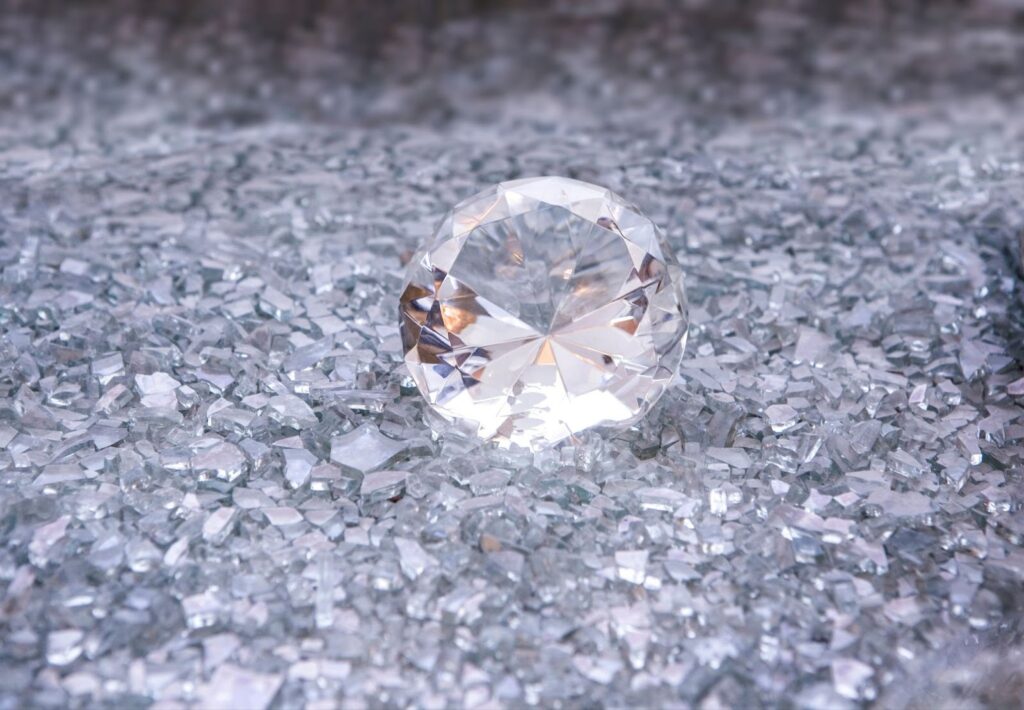
Interest in lab-grown diamonds increases because buyers want a product that aligns with modern ethics. Many consider this shift a moment where slow fashion meets fine jewelry and transforms the meaning of luxury. Lab-grown diamonds match the brilliance of mined stones and offer a responsible alternative that reflects personal values.
Responsible Mining Practices
Some brands focus on ethical mining. These companies provide fair wages, invest in education for mining communities, and maintain safe working conditions. Responsible mining protects the dignity of workers. Ethical sourcing should give more than it takes. Consumers reward brands that invest in people.
Slow Luxury: Fewer Items, Higher Value
Conscious luxury rejects excess. It values intention rather than accumulation. Buyers focus on fewer pieces that carry emotional weight. They select jewelry that reflects meaning rather than impulse. A carefully selected ring or necklace becomes an heirloom, not a temporary accessory tied to a trend cycle.
Environmental Impact: The Hidden Cost of “Traditional” Luxury
Traditional diamond mining has a long history of ecological damage. Massive energy use, soil disruption, and waste destroy landscapes. The future of luxury depends on reducing harm rather than masking it.
Mining Footprint
Mining affects land long before a stone reaches a jewelry display. Large excavation projects disrupt soil and natural landscapes, which interferes with local ecosystems.
Key environmental consequences include:
- Contamination of rivers and groundwater
- Permanent changes to land structure and soil stability
- Waste left behind at excavation sites.
These outcomes reshape communities and natural habitats for decades. Cleanup requires time, resources, and ongoing remediation. Ethical jewelry challenges this legacy by choosing methods that respect nature instead of damaging it.
Carbon Emissions and Global Sustainability Efforts
The diamond industry’s carbon footprint remains significant. Heavy machinery and global shipping contribute to emissions that harm climate stability. Consumers favor brands that actively reduce emissions by cutting unnecessary transportation and energy use. Sustainability becomes part of a company’s reputation.
How Lab-Grown Diamonds Reduce Environmental Harm
Lab-grown diamonds avoid the industrial damage caused by mining. Production happens in controlled facilities, so landscapes stay intact, and there is no need to move massive amounts of earth. The diamond offers the same sparkle with a far smaller environmental footprint.
Design Philosophy: Individuality Over Excess
Conscious buyers look for jewelry that reflects identity and personal values. A mass-produced piece feels generic because it lacks emotional depth. Personalized design creates stronger connection and allows the buyer to express character or mark a meaningful moment.
This shift becomes clear through specific preferences:
- Pieces that hold meaning instead of following trends
- Custom design choices that express individuality
- Timeless aesthetics that stay relevant for decades
- Materials and diamonds selected with emotional or ethical intent.
These priorities turn jewelry into a personal symbol, not a disposable accessory. Instead of collecting multiple pieces without attachment, buyers want one piece that carries significance and stays part of their story.
How Brands Are Adapting to the Ethical Shift
Brands react to conscious consumer expectations by changing how they design and manage products. The focus shifts from showcasing luxury through status to proving responsibility through actions.
Some companies reduce environmental impact by using recycled metals or lab-grown diamonds. Others improve durability and reduce waste through repair services, refurbishment options, or take-back programs that allow older jewelry to gain a second life. Certain brands also introduce circular production models, where unused pieces become the raw material for new collections instead of ending up in storage or landfills.
Luxury becomes defined by accountability and long-term value. A company that fails to evolve appears outdated because ethical luxury turns into the baseline standard, not a niche alternative.
Meaning Is the New Luxury
Luxury no longer depends on rarity; its value comes from intention. Buyers choose jewelry that reflects personal beliefs and reinforces identity. A piece feels luxurious when it represents responsibility and thoughtfulness, not status.
Ethical luxury sets a higher benchmark. Modern consumers expect beauty without harm — jewelry that respects people and the planet. A gemstone may shine on the surface, but the intention behind its creation gives it true worth.

